

From Raw Materials to High-Performance Float Glass
In Four clear steps
Our Manufacturing Process
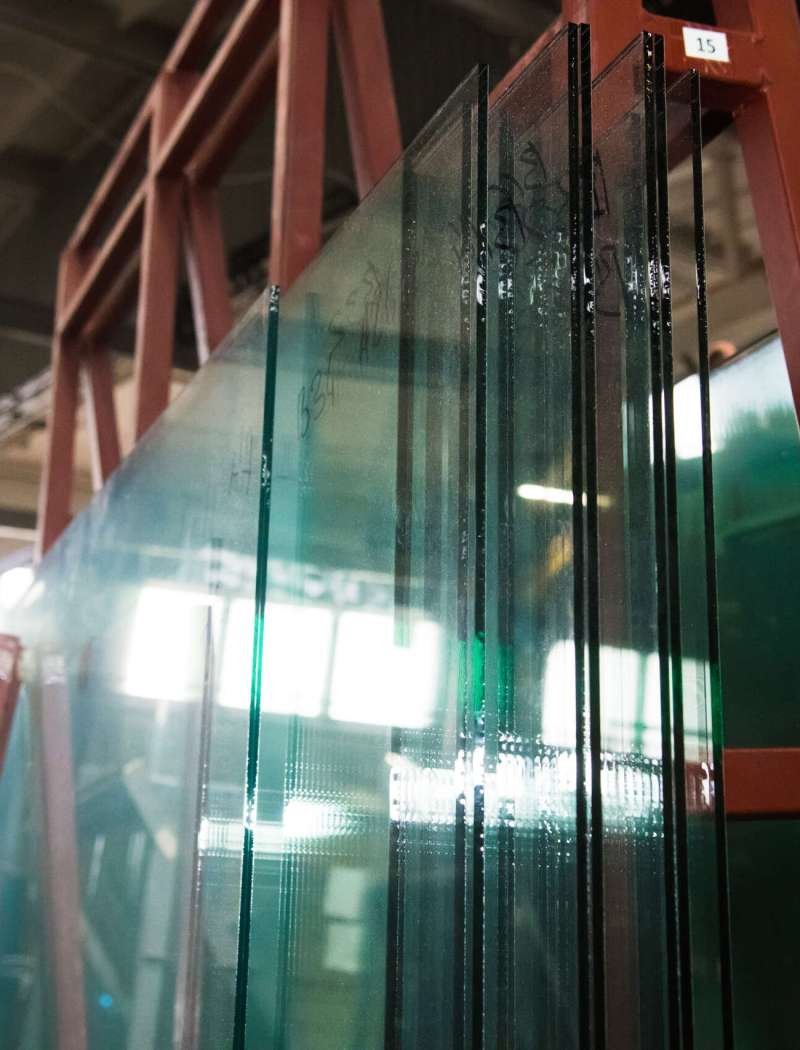
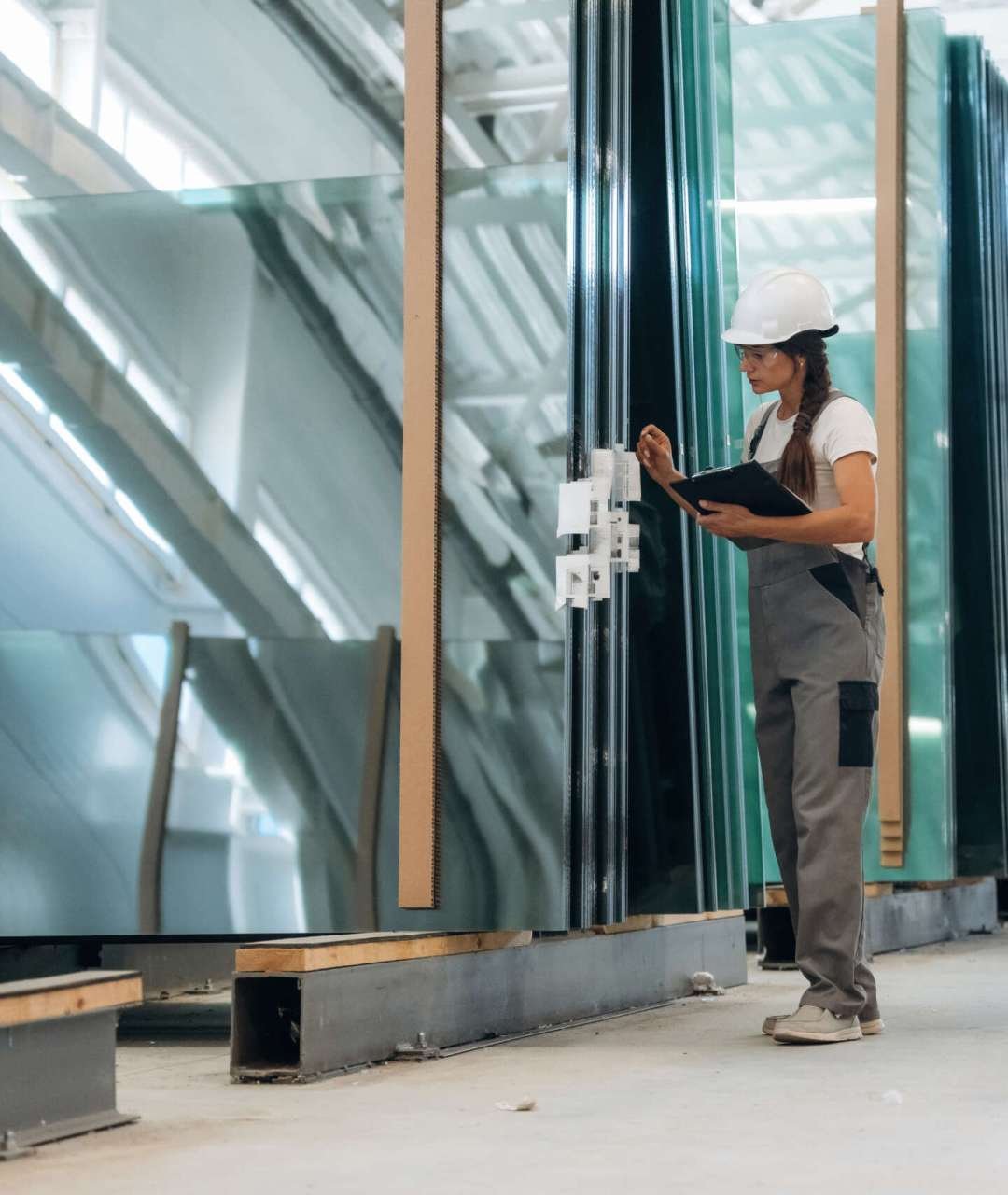
At SARL Algeria Fuyao Glass, our manufacturing process is built around efficiency, automation, and rigorous control at every stage. With a daily output capacity of 2,100 tons, our production line transforms carefully selected raw materials into high-quality float glass products serving the construction, automotive, and electronics industries across Algeria and North Africa.
Our Work Process
A controlled, technology-driven production cycle engineered to deliver consistency, precision, and European-standard quality at scale.
1 – Raw Material Preparation
2- Melting & Refining
3 – Float Forming & Annealing
4 – Cold Finishing & Inspection
Raw Material Preparation
Precision starts with purity.
The manufacturing journey begins with the selection and preparation of high-grade raw materials, including silica sand, soda ash, limestone, and other controlled additives. Each component is tested and proportioned with strict accuracy to ensure chemical stability and optical clarity in the final glass.
Raw materials are processed in the Raw Materials Workshop, where automated systems guarantee uniform composition and eliminate impurities that could affect strength, transparency, or performance.
Melting & Refining
Transforming materials into flawless molten glass.
The prepared raw materials are fed into high-temperature furnaces operating at over 1,500°C, where they melt into a homogeneous molten glass mass. Advanced refining techniques remove air bubbles and defects, ensuring optical uniformity and mechanical integrity.
This phase is critical for achieving the clarity, flatness, and durability required for automotive-grade and ultra-clear glass.
Float Forming & Annealing
Perfect flatness through controlled shaping and cooling.
The molten glass flows onto a molten tin bath, where it naturally spreads into a perfectly flat surface — the core principle of float glass technology. Thickness is precisely controlled according to product specifications.
Once formed, the glass passes through the annealing lehr, where it is gradually cooled to relieve internal stresses. This controlled cooling ensures dimensional stability and long-term resistance to cracking or deformation.
Cold Finishing & Inspection
Final precision, finishing, and quality validation.
In the Cold Finishing Workshop, the glass is cut, edge-processed, inspected, and prepared for delivery. Advanced inspection systems detect even the smallest imperfections, ensuring every sheet meets internal and European quality standards.
Final products are sorted, packaged, and labeled according to customer specifications and application requirements.
Built for Scale, Designed for Quality
With a 300,000 m² modern production base, cutting-edge technology, and a highly trained technical workforce.
Integrated Production Workshops
A complete, end-to-end industrial ecosystem.
Our production facility includes:
Raw Materials Workshop
Melting & Fusion Workshop
Forming & Annealing Workshop
Cold Finishing Workshop
Each workshop operates in synchronization, ensuring speed, traceability, and consistent output quality across all product lines.